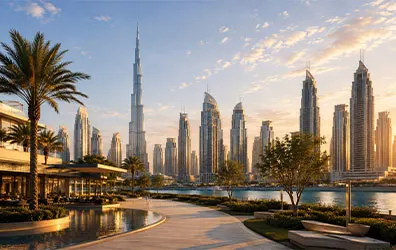
In Dubai’s evolving real estate landscape, green space is no longer a design feature—it is a value driver.
What was once considered an aesthetic or lifestyle enhancement is now directly influencing pricing, demand, and long-term investment performance.
Across master-planned communities, proximity to parks, landscaping quality, and walkability are becoming core indicators of property desirability and value retention.
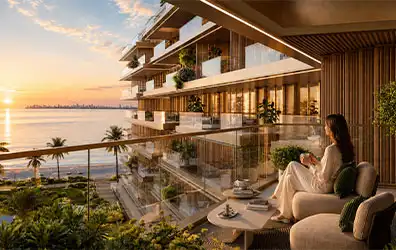
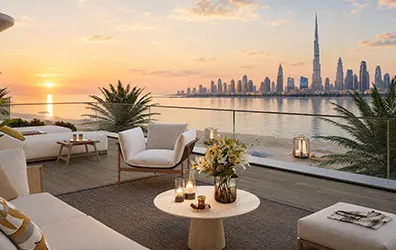
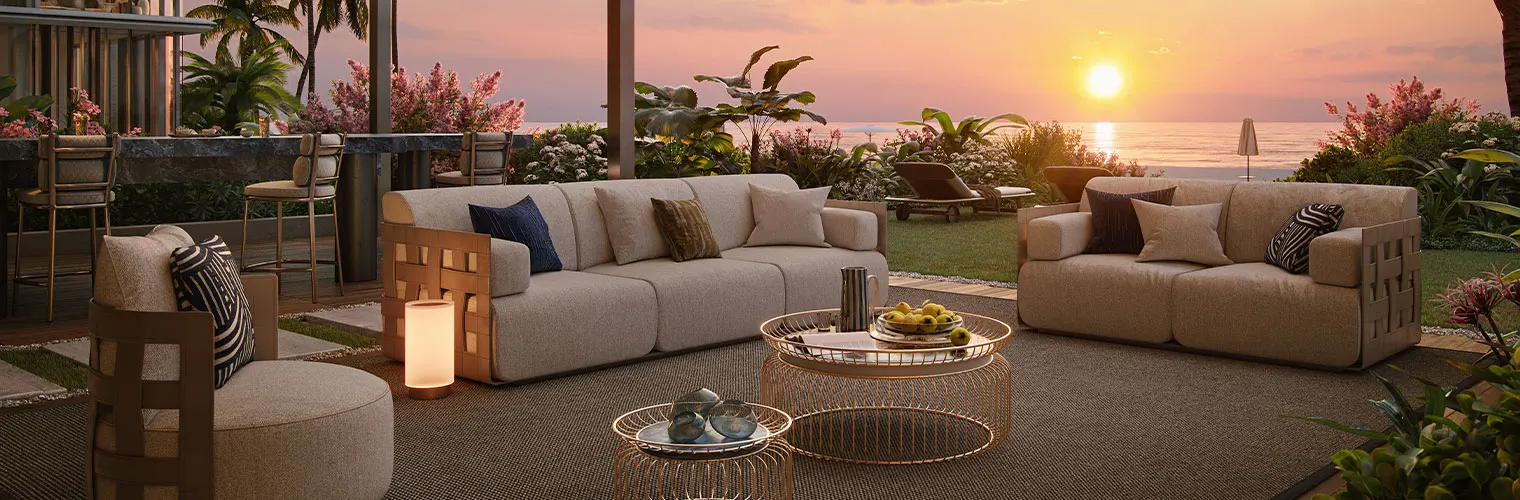
A strong project example is Avenew 888, where landscaped gardens, walking paths, terraces, play zones, and community spaces turn greenery into a daily living feature.
Dubai’s urban strategy is increasingly shaped by sustainability-led planning, where nature integration plays a central role in future communities.
Key direction includes:
Expansion of parks and public green zones
Increased tree planting and urban greening
Development of walkable and cycling-friendly districts
Stronger integration of nature within residential masterplans
This shift is redefining how communities are designed—and how they are valued.
Green environments influence real estate performance in several fundamental ways:
Homes surrounded by greenery offer a calmer, more balanced living experience, increasing long-term desirability.
Well-planned green districts are limited, which naturally enhances their exclusivity and pricing strength.
Properties near parks and landscaped zones consistently attract:
End-users seeking livability
Families prioritising space and wellbeing
Long-term tenants
Green-integrated communities tend to demonstrate:
Higher occupancy stability
Stronger resale resilience
More consistent rental demand
Premium positioning within the market
Rather than short-term spikes, green space supports long-term value compounding.
A fast-developing master-planned district designed around the future of urban living, combining green corridors, open landscapes, and large-scale community planning.
Strategically positioned around key infrastructure and future economic zones, Dubai South is emerging as one of Dubai’s most balanced environments for long-term residential growth and investment potential, where open space and livability are central to the masterplan.
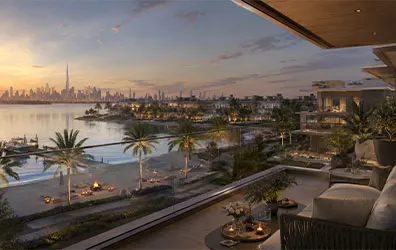
A new coastal destination where green planning meets beachfront living.
Dubai Islands is being developed as a low-density, nature-integrated waterfront ecosystem, combining:
Coastal landscaping
Open public spaces
Walkable beachfront environments
Large-scale master planning with a focus on livability
Unlike traditional coastal districts, Dubai Islands is designed from the ground up to prioritise space, airflow, and natural coastal surroundings, positioning it as a next-generation green waterfront community.
The impact of green space on property value depends heavily on execution.
Strong value drivers include:
Usable parks and landscaped areas
Walkable, connected environments
Low surrounding traffic density
Integrated community design
Poorly maintained or inaccessible greenery has limited impact on long-term value.
Green space is shifting from a differentiator to a baseline expectation in Dubai’s residential developments.
Future growth is supported by:
Sustainability-led urban planning
Increased demand for wellness-focused living
Expansion of pedestrian-first communities
Long-term government environmental strategies
This positions green-integrated real estate as a structural long-term trend, not a short-term cycle.
For coastal buyers, Cheval Residences Dubai Islands connects green-led planning with serviced waterfront living, soft landscaping, shaded walkways, and sea-facing residences.
In modern Dubai real estate, green space influences three core investment outcomes:
Value stability over time
Stronger tenant demand
Higher perceived quality of living
For investors and end-users alike, green environments are increasingly linked to asset quality rather than aesthetics alone.
At Avenew Development, green space is treated as a core planning principle rather than a decorative feature.
The focus is on:
Integrated landscape-driven masterplans
Low-density, livability-focused design
Long-term community value creation
Alignment with Dubai’s sustainability direction
This approach ensures developments are positioned for durability, desirability, and long-term market relevance.
In Dubai’s next phase of growth, nature and real estate are becoming inseparable drivers of value.
This is also part of the broader Avenew Development approach: building residential projects around long-term livability, design, and lasting value.