In Dubai, almost every property claims to be “luxury.” Studios near industrial zones. Towers with 400 units sharing a single pool. Apartments with laminate floors, dressed in a five-star brochure. The word has lost its meaning.
Genuine luxury, however, still exists — the kind that holds value, commands premium rents, and delivers an elevated lifestyle. It is not defined by marketing materials, but by decisions made long before construction begins: where to build, how to design, what to include, and who is trusted to deliver.
Here’s how to spot true luxury in Dubai.
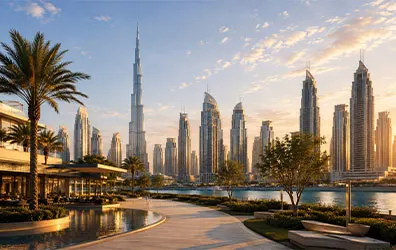
In Dubai, location is not just about today’s popularity; it’s about future value. Luxury developers buy land where infrastructure and demand will grow, not where it is already convenient.
Key indicators:
Proximity to planned infrastructure, not just existing roads or malls
Placement within government-backed master-planned zones
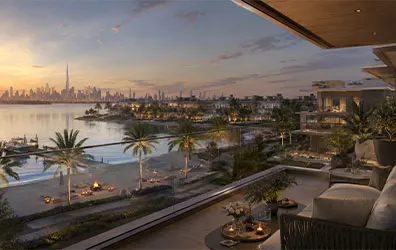
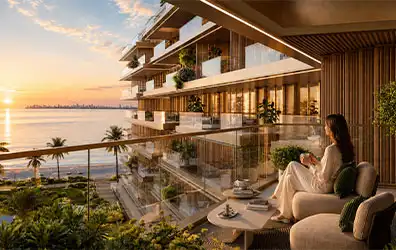
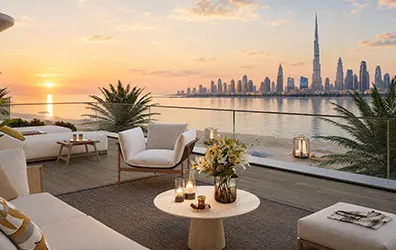
Waterfront access, elevated positions, and unobstructed views
A clear understanding of future residents, renters, and buyers
Examples: Dubai Islands and Dubai South — coastal access, proximity to Expo City and Al Maktoum Airport, with infrastructure already confirmed.
Luxury isn’t generic towers with expensive finishes. It’s buildings that are remembered — iconic forms, functional layouts, and timeless materials. Strong architectural identity translates directly into higher resale values and faster transactions in Dubai’s secondary market.
Markers of distinction:
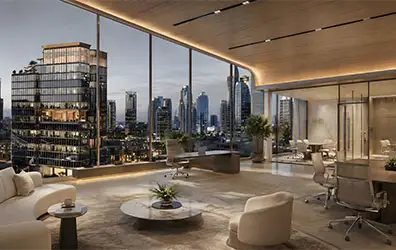
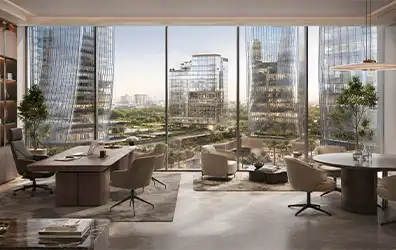
3m+ ceiling heights, generous window-to-wall ratios
Proven architecture firms with luxury residential track records
Materials that age gracefully, not trend-driven “wow” finishes
Prioritised spatial quality over maximum sellable area
A render is a promise; the specification is a contract. True luxury comes with named brands and materials, not vague “premium finishes.”
Example specifications:
Flooring: Calacatta marble, engineered wood, or high-grade stone
Kitchen: Miele, Gaggenau, or V-Zug integrated appliances
Bathrooms: Gessi or Duravit fixtures, high-grade brassware
Glazing: thermal performance, acoustic-rated, premium glass
Smart home systems: integrated automation and energy management
Why it matters: The difference between “premium” and “luxury” is legally enforceable quality, not marketing spin.
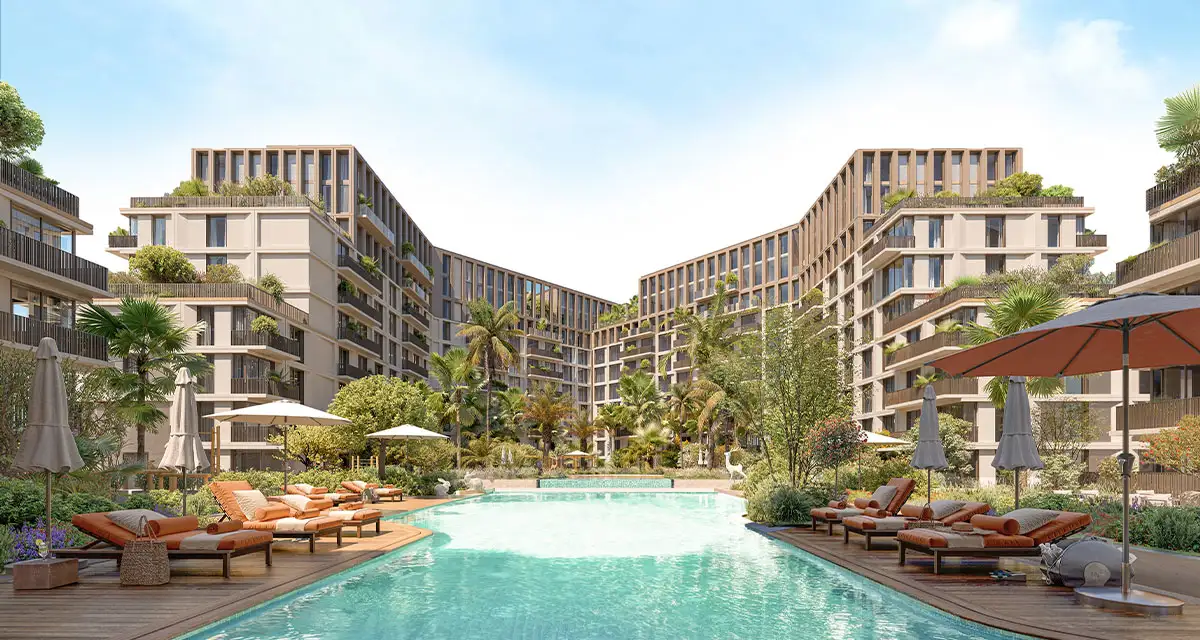
A gym, pool, and concierge are standard marketing points. Luxury is about usable amenities, scaled correctly, and professionally managed.
What to check:
Resident-to-amenity ratio (e.g., 25m pool for 400 residents is a queue, not luxury)
Named operators with service-level agreements
Amenities designed for lifestyle, not checklist purposes
Transparent service charges
The lobby is a microcosm of the developer’s priorities. In thirty seconds, it tells you whether a building delivers luxury or just marketing.
Luxury lobby cues:
Double-height ceilings or generous volumes
Natural materials — stone, timber, bronze at scale
Thoughtful lighting combining natural and artificial sources
Integrated concierge, not an afterthought
A weak lobby undermines value; a strong one reinforces it for every buyer and renter above.
Exclusivity = scarcity. High density negates the claim of luxury, no matter the finishes.
Luxury density benchmarks:
Units per floor: 2–4
Lift-to-unit ratio: 1 per 20–30 units
Private/semi-private floor lobbies
Parking exceeding DLD minimums
High specification + high density ≠ exclusivity.
All design and planning matter little if the developer cannot deliver. Assess completed projects, handover history, defect resolution, and current commitments. Financial stability is as critical as finishes — the best materials cannot compensate for poor execution.
Avenew Development builds at the intersection of location intelligence, architectural integrity, and investment discipline. Projects in Dubai Islands and Dubai South are selected for confirmed government-backed infrastructure and decade-long value theses — not quarterly sales targets. Full specification schedules with named brands and architects are provided upfront.
Our buyers make long-term capital decisions; they deserve commitments, not renders.
→ Explore Avenew Development’s current projects — view full specifications and locations
What differentiates luxury from premium property in Dubai?
Premium = strong finishes in standard buildings. Luxury = low density, architectural identity, curated amenities, and scarcity. Premium is common; true luxury is rare.
Do luxury properties hold value better?
Yes, when genuine. Buildings with architectural identity, low density, and proven delivery outperform generic developments.
Are branded residences worth the premium?
Branded residences command 20–35% higher prices than non-branded equivalents, often sustaining stronger rental yields and resale value — when the brand is actively involved in service delivery.
How does location impact luxury value?
Location sets the ceiling. Exceptional specification in a poor location underperforms. Waterfront and infrastructure-adjacent master-planned zones offer strongest long-term appreciation.