Dubai’s freehold framework allows non-UAE nationals to own property in designated locations, but the legal position is more precise than a simple community list. Freehold areas in Dubai are defined through legislation and specific land plots, so buyers should confirm the ownership status of the exact property before paying a deposit or signing a sale agreement.
Freehold areas in Dubai are designated locations where non-UAE nationals may acquire freehold ownership without a time restriction. Dubai law also allows usufruct or leasehold rights of up to 99 years in designated cases. The key buyer step is to verify the specific plot or unit with Dubai Land Department rather than relying only on a community name or marketing description. |
Under Dubai Law No. 7 of 2006, non-UAE nationals may be granted freehold ownership in areas determined by the Ruler. In those designated locations, freehold ownership is not restricted by a fixed term. Dubai’s legal framework also recognises usufruct and leasehold rights of up to 99 years in specified cases.
For buyers, the important distinction is that freehold describes the ownership right, while terms such as off-plan or ready describe the stage of the property. If you are comparing purchase routes, AVENEW’s guide to off-plan vs ready property in Dubai explains that separate decision.
Yes. Dubai Land Department states that foreign ownership is permitted in freehold areas. UAE and GCC nationals have wider ownership rights across Dubai, while non-UAE nationals should confirm that the specific property sits within a location and plot where foreign ownership is permitted.
For international buyers, freehold status is only one part of due diligence. Price, developer track record, registration, future supply and the property itself still matter. See AVENEW’s guide to buying property directly from a Dubai developer for the wider purchase checks.
Dubai does not rely on one permanent consumer-facing list of neighbourhood names. The legal framework identifies designated areas and, in many cases, specific plots. Regulation No. 3 of 2006 expressly included locations such as Dubai Marina, Palm Jumeirah, Palm Jebel Ali, Emirates Hills, Jebel Ali, The World Islands, Al Jaddaf, Sheikh Zayed Road, Nad Al Sheba and Warsan 1. Later regulations and resolutions added further plots in areas such as Me’aisam 2, Madinat Al Mataar, Trade Centre Second and Zabeel First.
The framework has also continued to evolve. In January 2025, Dubai Land Department announced that 457 eligible plots along Sheikh Zayed Road and in Al Jaddaf could be converted to freehold ownership for all nationalities. This is one reason buyers should verify current status rather than rely on an old list.
Area / legal designation | What the legal framework shows | Buyer takeaway |
|---|---|---|
Dubai Marina | Specific plots were designated in Regulation No. 3 of 2006. | Confirm the exact unit and title status. |
Palm Jumeirah | Plot No. 001 was expressly listed in the 2006 regulation. | A well-established freehold example. |
Emirates Hills | Specific plots across Emirates Hills 1, 2 and 3 were listed. | Freehold status is tied to designated land. |
Jebel Ali / Palm Jebel Ali | Multiple Jebel Ali plots and Palm Jebel Ali were included. | Check the specific project and plot. |
Al Jaddaf | Specified plots were listed; additional conversion eligibility was announced in 2025. | Current status should be verified with DLD. |
Madinat Al Mataar | Further plots were added through later resolutions. | Relevant to buyers considering the wider airport-city growth corridor. |
Trade Centre Second / Zabeel | Additional plots were added through later resolutions. | Illustrates how the designated map can expand over time. |
Not necessarily. Dubai’s regulations frequently identify individual plots, which means a broad community label is not sufficient proof of ownership status. A buyer should verify the exact property, title or off-plan registration before treating a unit as freehold.
Buyer rule Treat “freehold area” as a starting point, not the final legal check. The property-level registration is what matters. |
Identify the exact unit, project and plot—not only the community name.
Ask for the relevant title, registration or project documentation.
Confirm the ownership type with Dubai Land Department or through the appropriate registration process.
For off-plan property, confirm project registration and how the future ownership right will be recorded.
Check the sale agreement for the ownership structure, property description and registration obligations.
Do not transfer funds solely because a brochure or listing describes the wider area as freehold.
For off-plan buyers, these checks sit alongside broader due diligence. AVENEW’s guide to reducing off-plan property risk in Dubai covers developer, registration and location checks in more detail.
Factor | Freehold | Leasehold / long-term right |
|---|---|---|
Duration | No predefined ownership term in designated freehold property. | Defined contractual period; Dubai law allows qualifying rights up to 99 years. |
Core right | Registered ownership interest. | Right to occupy or use the property under the relevant arrangement. |
Buyer focus | Verify the exact title and plot status. | Verify remaining term, renewal terms and the underlying right. |
Investment meaning | Freehold status alone does not determine performance. | Lease structure must be considered alongside price and use case. |
Freehold status tells you that foreign ownership is permitted in the relevant property; it does not tell you whether the location is right for your needs. A buyer should still compare lifestyle, budget, property type, community maturity, future supply and long-term demand.
For a broader location comparison, see AVENEW’s guide to the best areas to buy property in Dubai. For current market context, use the Dubai real estate market 2026 and Dubai property prices 2026 guides together.
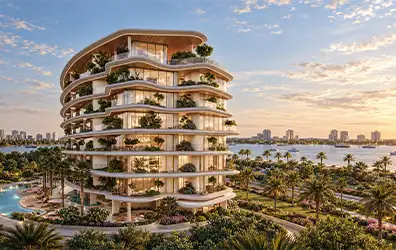
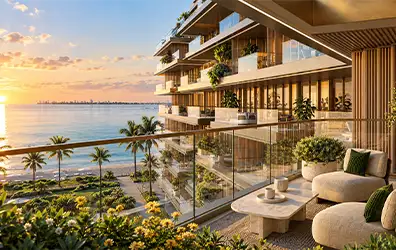
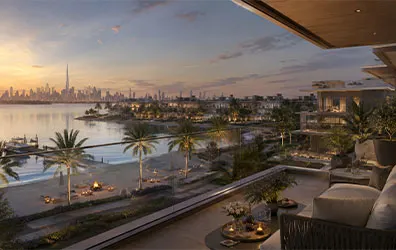
Dubai Marina and Palm Jumeirah are long-established examples of designated freehold locations. Buyers considering newer coastal destinations should still verify the exact title status and then compare supply, access, design and long-term demand. AVENEW’s direct beachfront property in Dubai guide explains why direct shoreline access and broader waterfront positioning are not the same thing.
Later freehold resolutions added plots in Madinat Al Mataar, illustrating how Dubai’s designated ownership map has expanded alongside new growth corridors. Buyers looking at the wider Dubai South market should assess infrastructure, supply and holding period alongside ownership structure. See Dubai South investment and Dubai South development for that location context.
No. Freehold is an ownership structure, not a return guarantee. A freehold property can still be poorly priced, oversupplied, badly designed or expensive to operate. Long-term value depends on the combination of location, purchase price, developer execution, future supply, usability and buyer demand.
This is why ownership status should be assessed alongside property investment in Dubai, how developers choose locations and how to compare Dubai property developers.
A property can be both freehold and off-plan. The two terms answer different questions: freehold defines the ownership right, while off-plan means the property is being bought before completion. If you are considering a new development, first confirm the future ownership status, then assess the project registration, developer, payment plan and delivery risk.
AVENEW’s complete guide to buying off-plan property in Dubai explains the purchase process in more detail.
Check | Why it matters |
|---|---|
Exact ownership status | Confirms the legal right being purchased. |
Developer and project registration | Reduces avoidable execution and documentation risk. |
Location fundamentals | Supports real-world demand beyond marketing. |
Purchase price | Freehold does not automatically mean good value. |
Service and ownership costs | Affect the long-term economics of the property. |
Future supply | More competing stock can change resale and rental conditions. |
Design and usability | Daily comfort and practical layouts can support enduring demand. |
They are designated locations where non-UAE nationals may acquire freehold ownership without a time restriction, subject to the legal status of the specific property or plot.
Yes. Dubai Land Department confirms that foreign ownership is permitted within freehold areas. Buyers should verify the individual property before purchase.
Dubai legislation names designated areas and specific plots, including Dubai Marina, Palm Jumeirah, Emirates Hills, Jebel Ali, The World Islands, Al Jaddaf and others, with later regulations adding further plots over time.
Specific Dubai Marina plots were expressly included in Regulation No. 3 of 2006 for ownership by non-UAE nationals.
Freehold provides an ownership interest without a predefined ownership term in designated property. Leasehold or usufruct rights apply for a defined period and can extend up to 99 years under the applicable framework.
Confirm the exact unit or plot and review the relevant registration or title information through Dubai Land Department or the appropriate official registration process before completing the purchase.
The most useful way to think about freehold areas in Dubai is not as a static list of neighbourhoods, but as a legal ownership framework that applies to designated land and properties. For foreign buyers, the safest approach is to confirm the exact ownership status first, then judge the property on price, location, design, supply and long-term demand.